
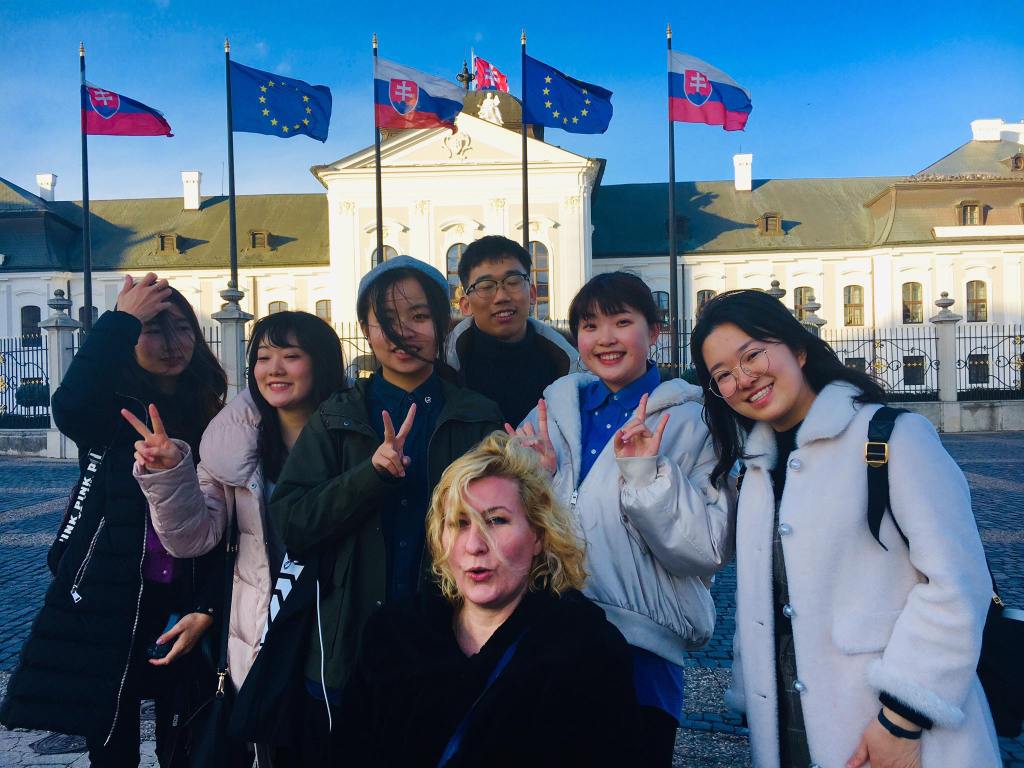
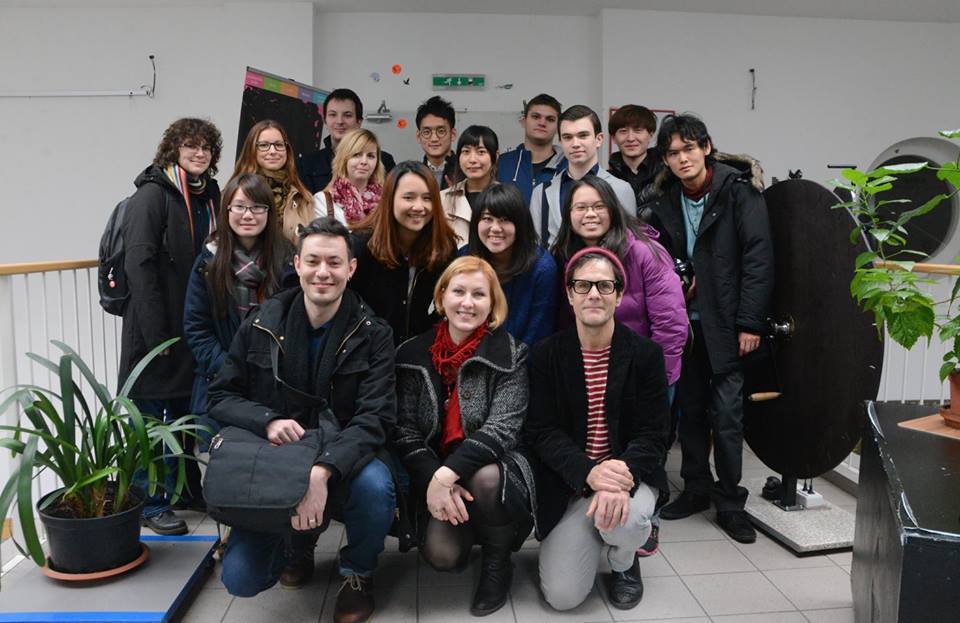
The Winter School Experiencing Media and Culture: Television, Film, Photography, and Theatre of Slovakia is taking place at BISLA since 2011 annually, with a brief intermezzo during the COVID-19 pandemic. The winter school brings each year 10-16 students from BISLA’s partner school, The Ritsumeikan Asia Pacific University (APU) from Beppu in Japan. In 2023, we are co-organizing the 13th such winter school.
Media and Culture in Central Europe
The program introduces the students from APU to the world of art and culture within the context of the old and new media. Slovakia has a unique location and history that saw it a part of several kingdoms, empires, and states shared with other nations of the region, in close coexistence as well as conflict. The tumultuous past has left a mark on its culture through various influences apparent in Slovak art and culture. Recent history marked the end of four decades of communist regime and the breakdown of Czechoslovakia. Transition from communism to democracy brought abrupt changes in society, culture, and media, opening the country to the world, developing own institutional infrastructure. All of these processes are still having an impact on the state of culture and media today. Students explore these processes in social and political context of the region, examining the historical roots of current artistic expressions, the interconnections between new media and traditional art, the impact of media and journalism on society and vice versa.
Interactive Learning
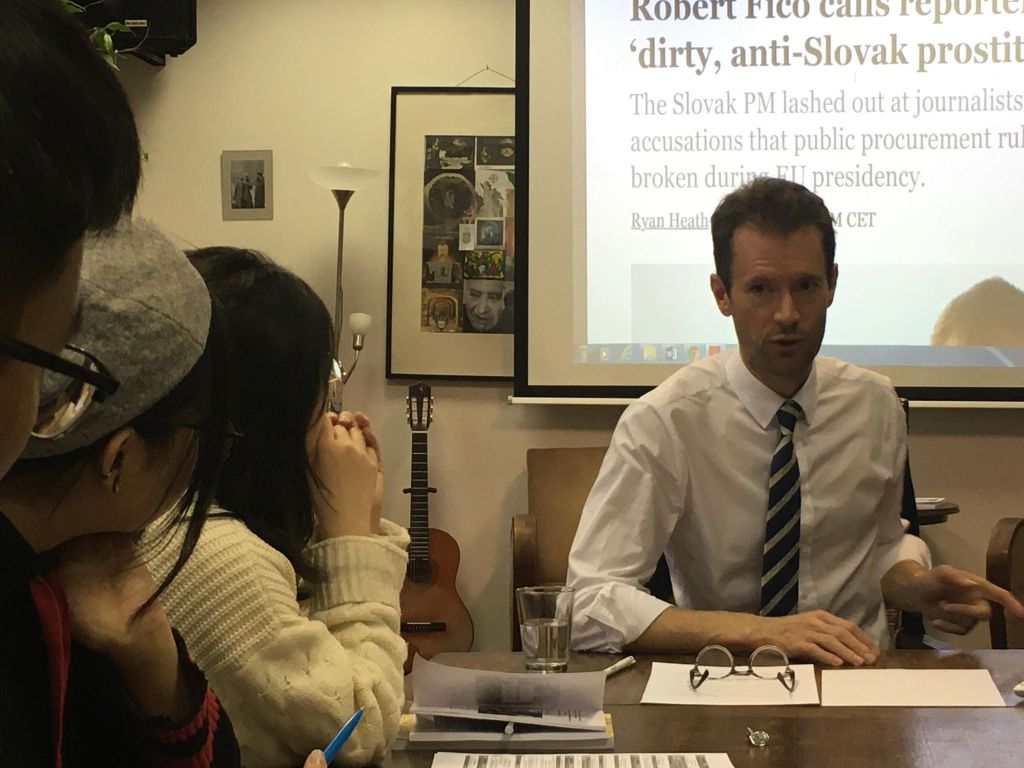
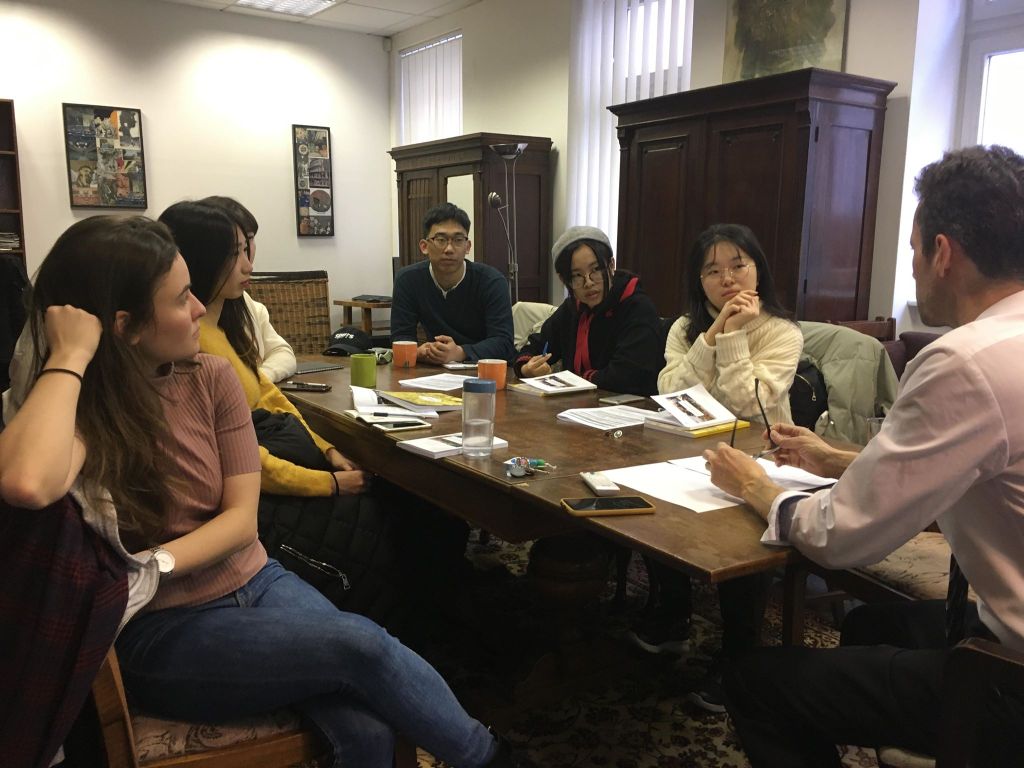
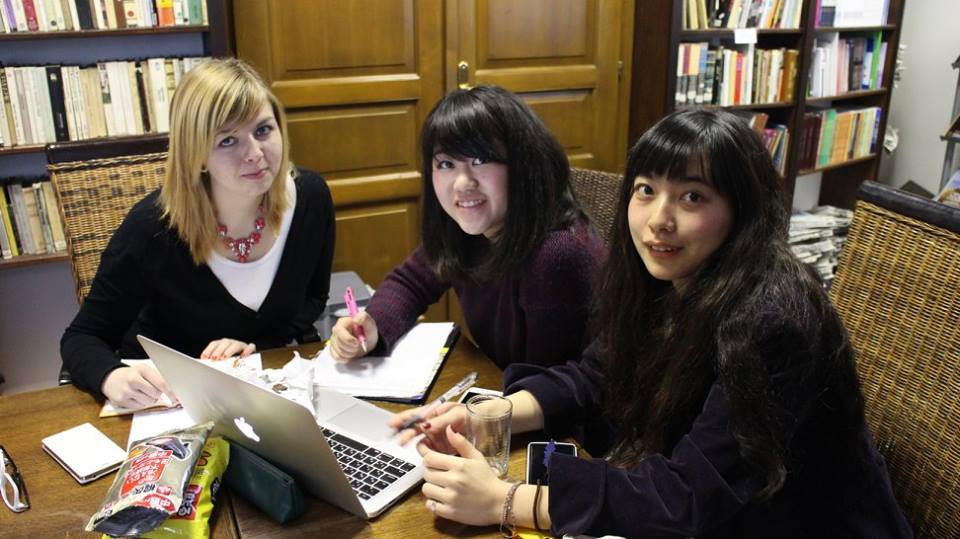
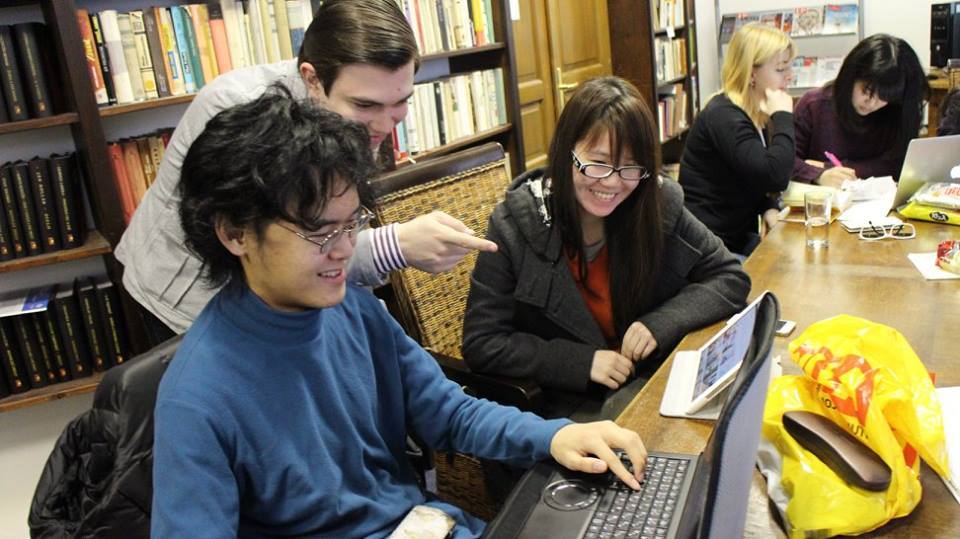
To get familiar with the Central European culture and media, students engage in a highly interactive and hands-on program. Students from Japan are always paired with students from BISLA. They share intercultural learning, exchanging perspectives, exploring topics of their choice in mixed groups. Together, they produce creative narrative photo essays that document their learning over the two weeks of the winter school. Students choose their own topics within their groups at the beginning of the program, varying from architecture, public space, urban design, to certain aspects aspects of culture and its people. They conduct interviews, talk to experts, artists, activists about their topic, and together, they discover an aspect of this region that brings new learning to students from Japan and Slovakia alike.
Learning from the Best
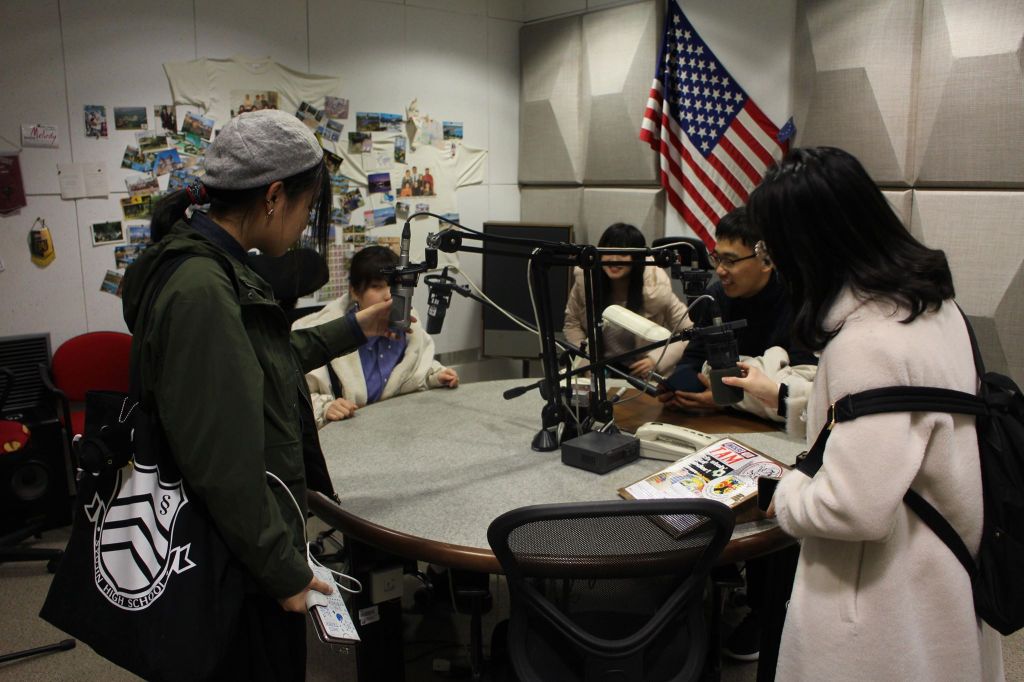
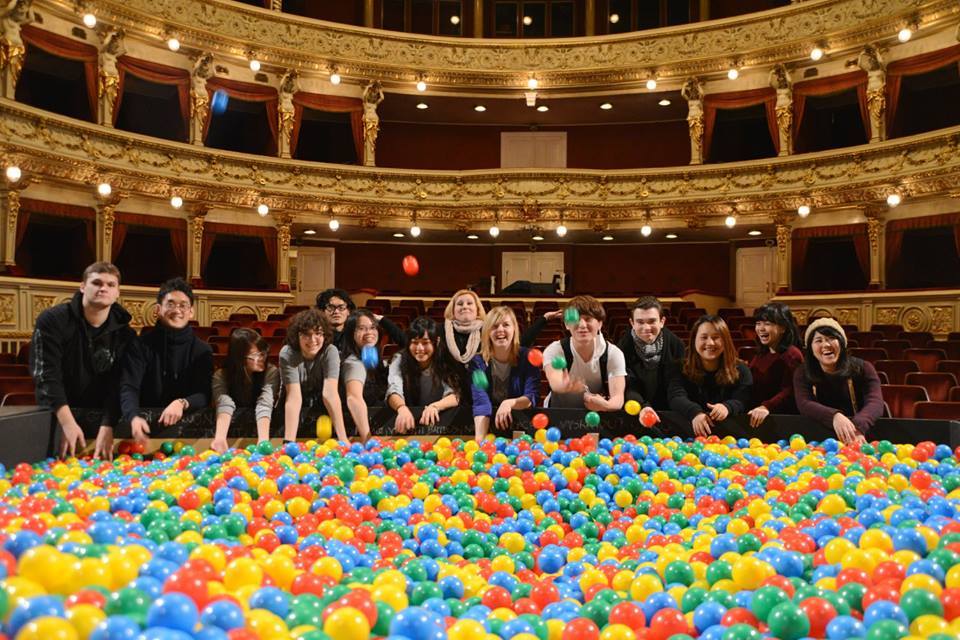
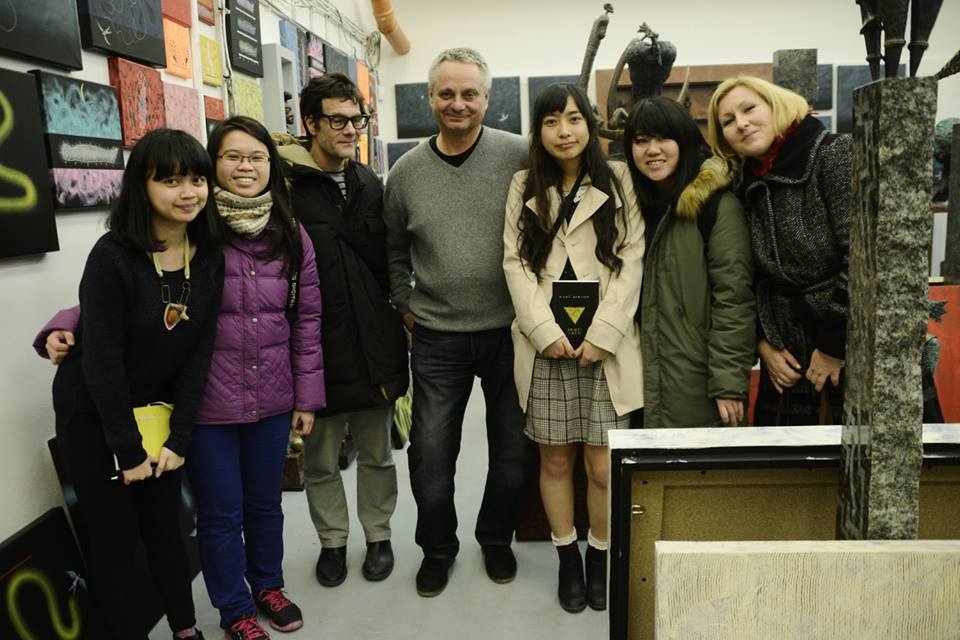
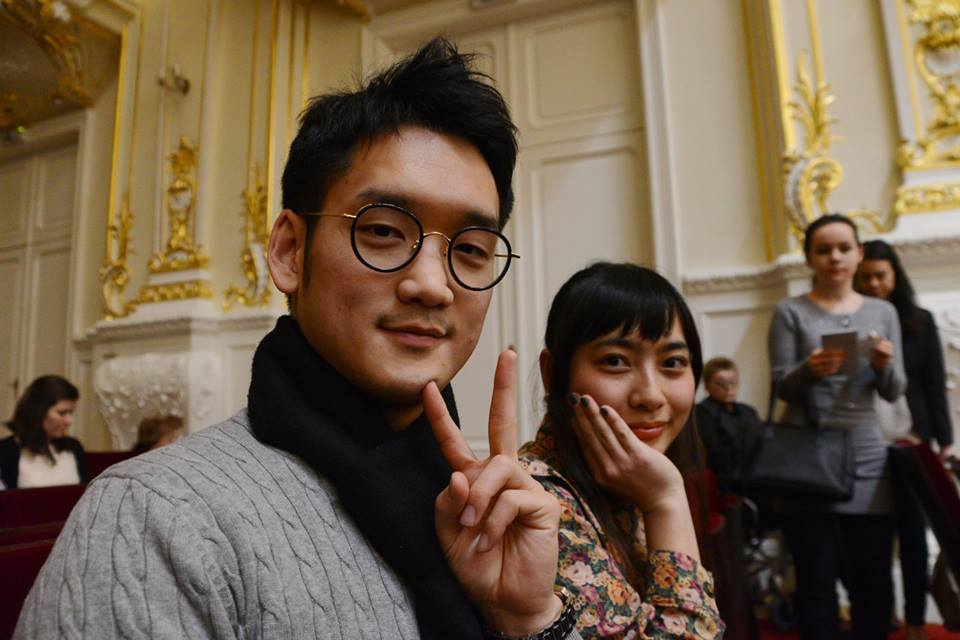
During their program, students have a number of sessions on culture and media with leading experts, artists, journalists, intellectuals, scholars, and activists. Only a few take place in the school itself. The program takes students to art studios, newsrooms, television and radio studios, galleries, opera halls, theatres, where they encounter the people practicing their craft, observing the creative process, having the opportunity to see under the lid and behind the stage of various art and media productions.
Experiencing Central Europe
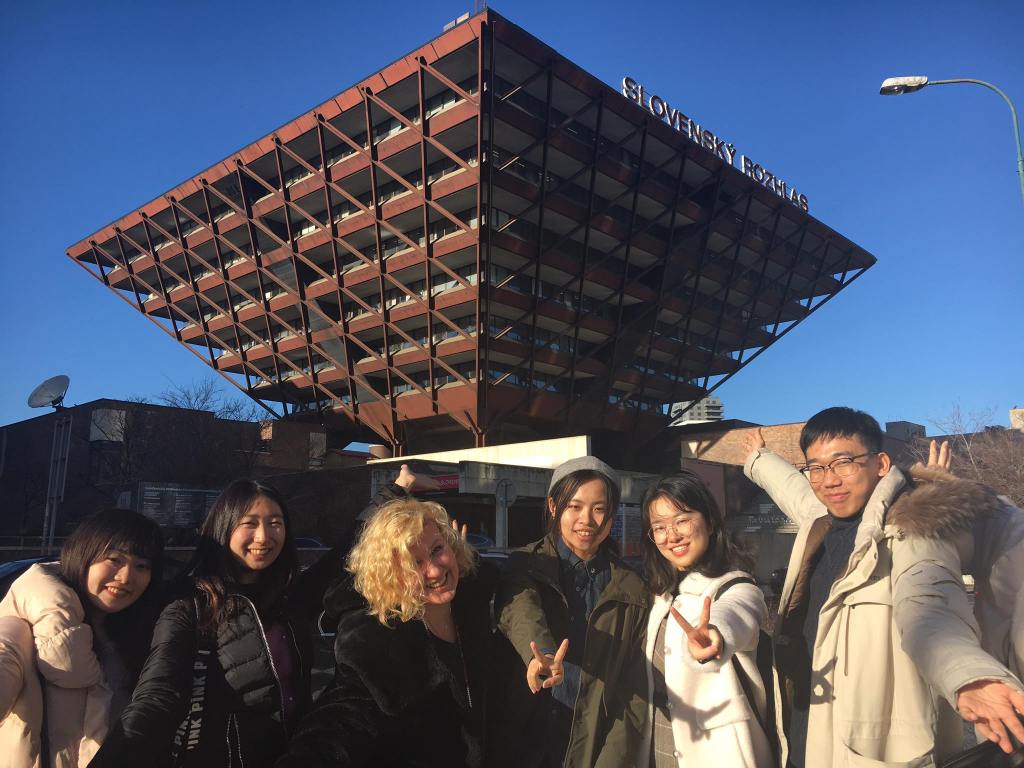
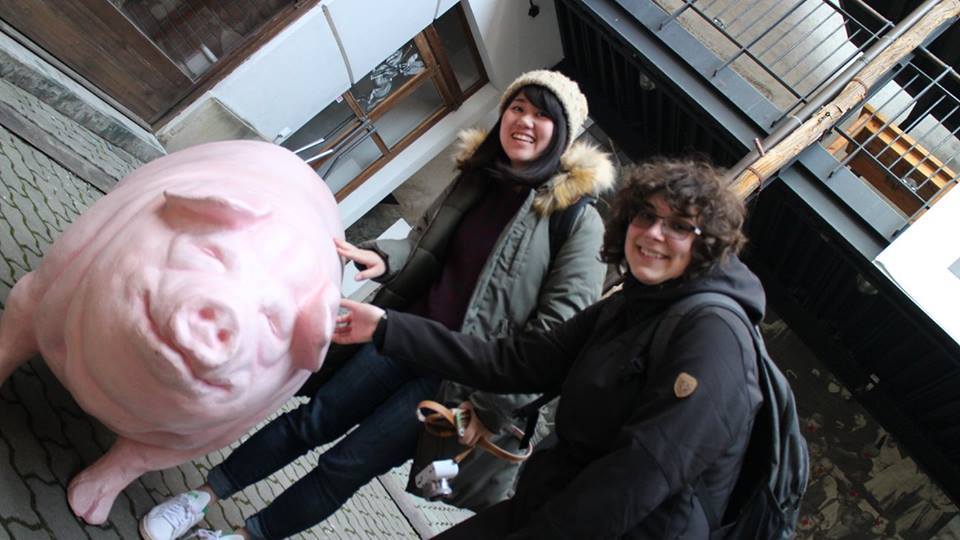
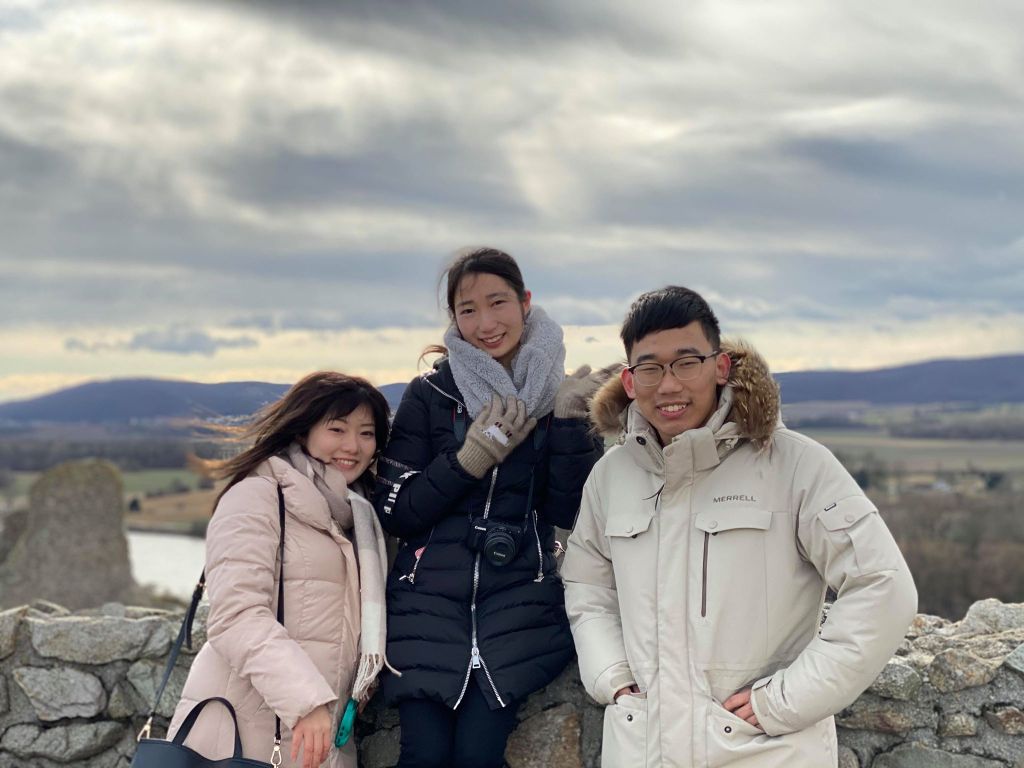
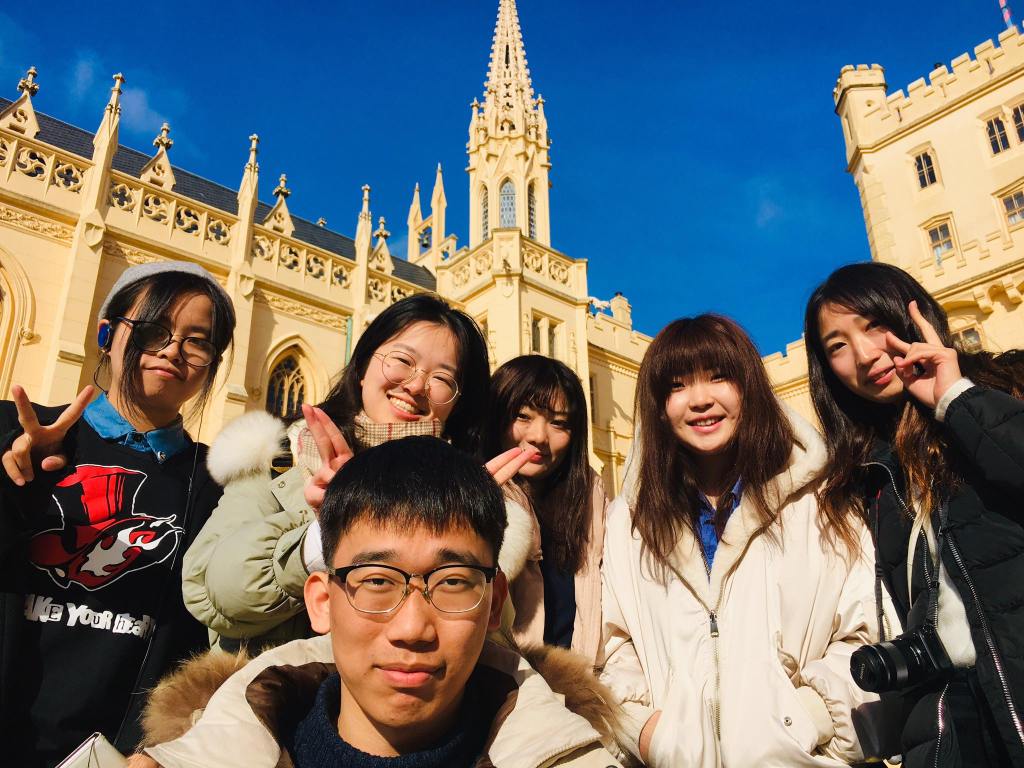
During the two weeks of the program, students explore several locations in and outside of Slovakia. They spend the first few days at BISLA, where they get introduced to the region, its history, art, culture, and media, and explore the cultural highlights in Bratislava and its environs. Afterwards, they spend three nights and four days in Prague, which offers immensely rich artistic experience. Students also spend a day in Vienna, which is but an hour away from Bratislava. In the past, the group has traveled to Brno, Komárno, Esztergom, or Budapest, depending on the focus of each particular winter school.
Friendships for a lifetime
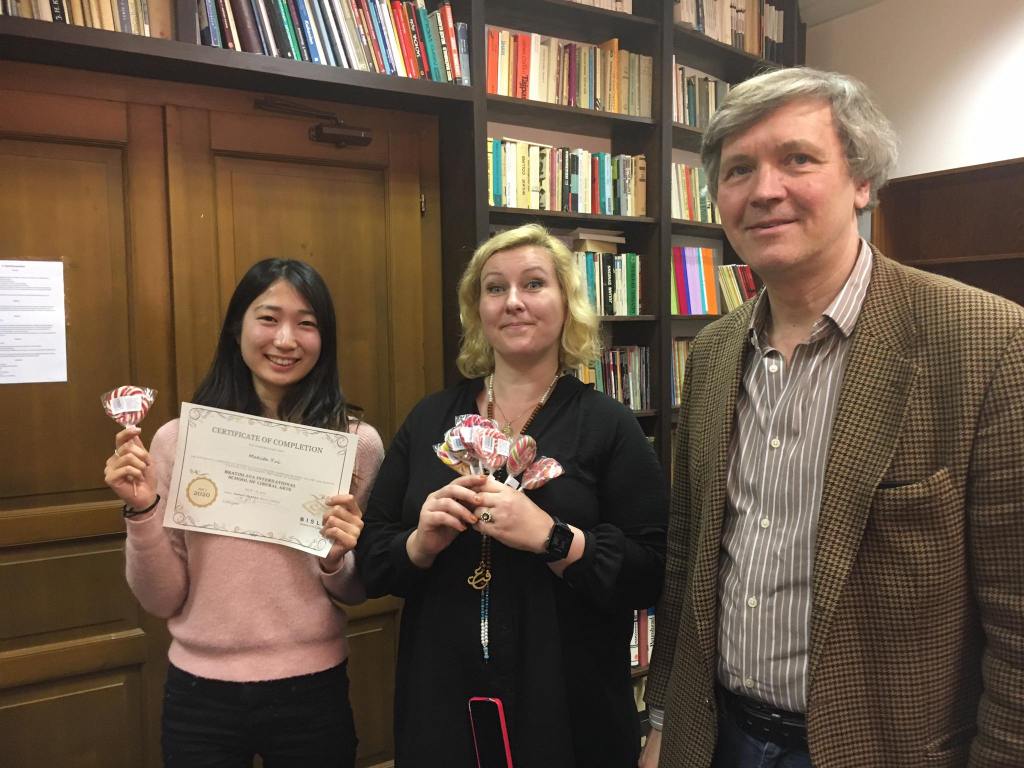
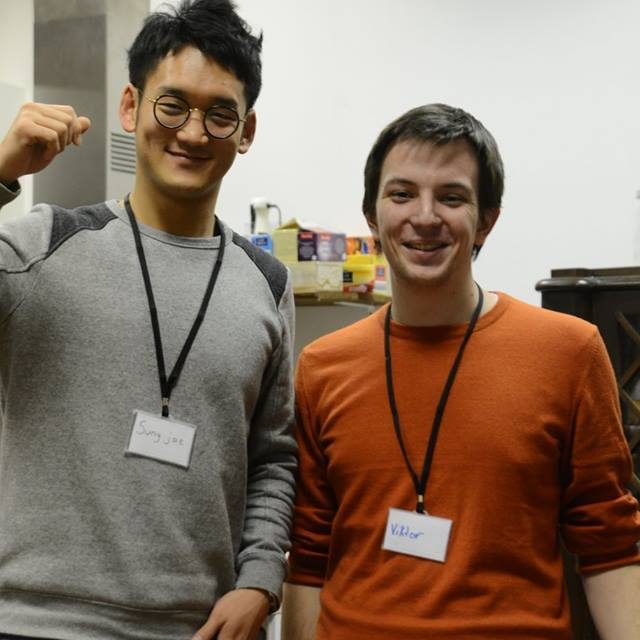
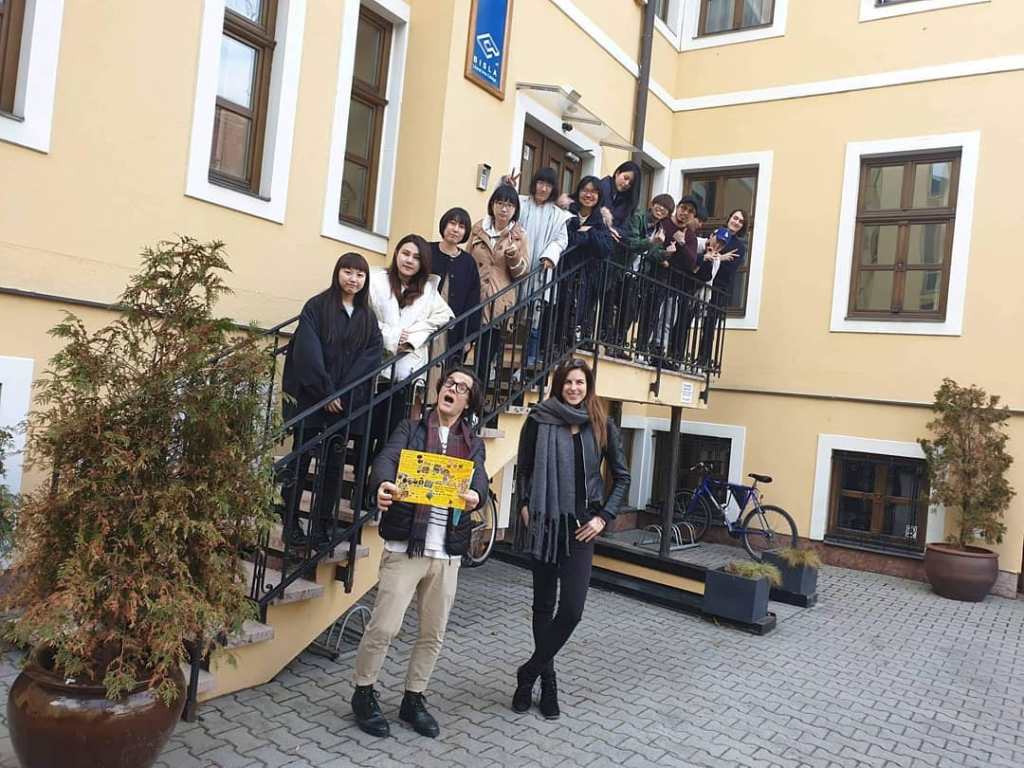
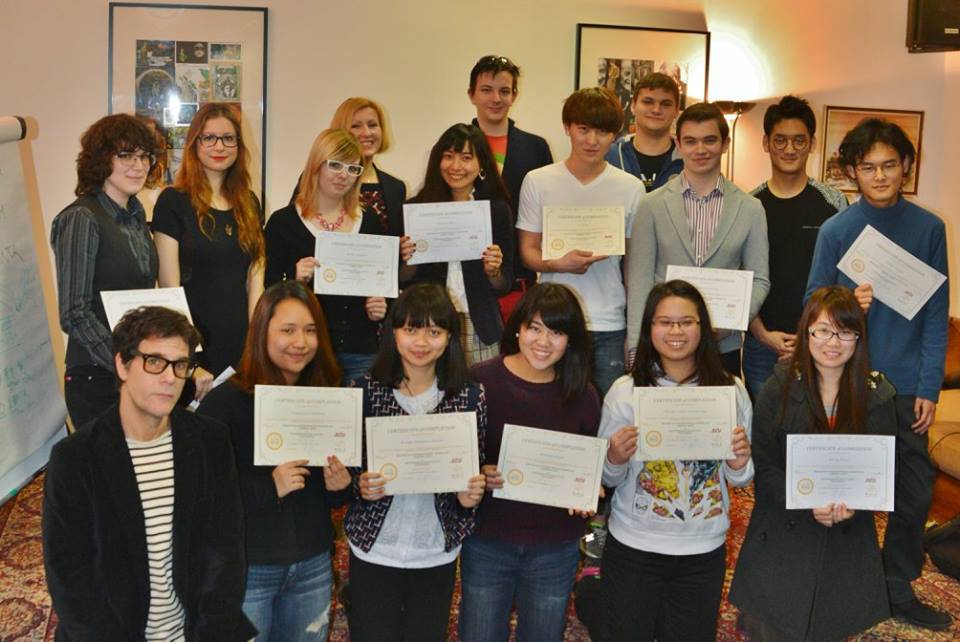
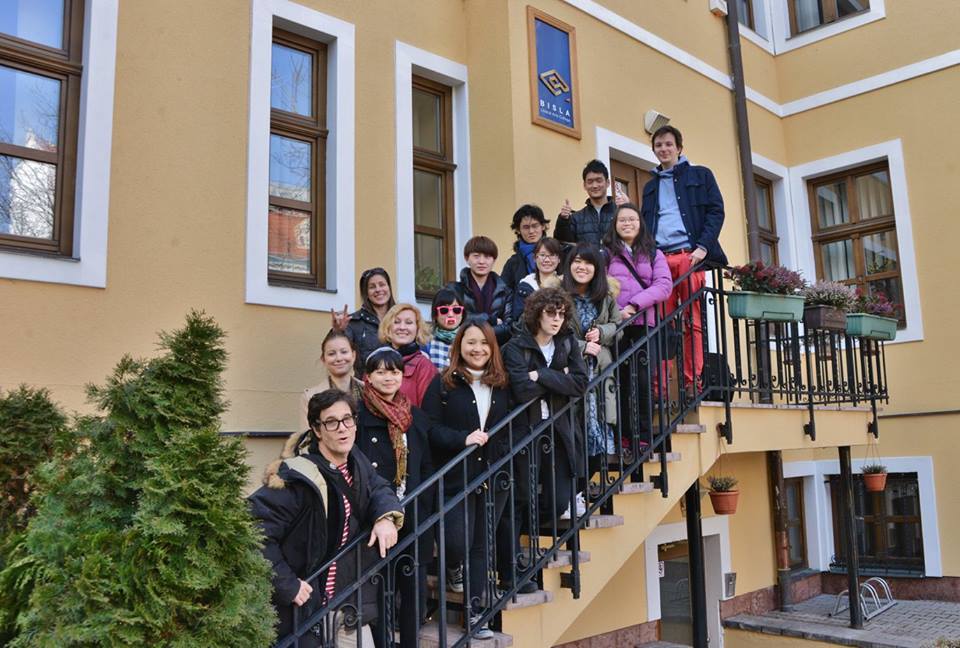
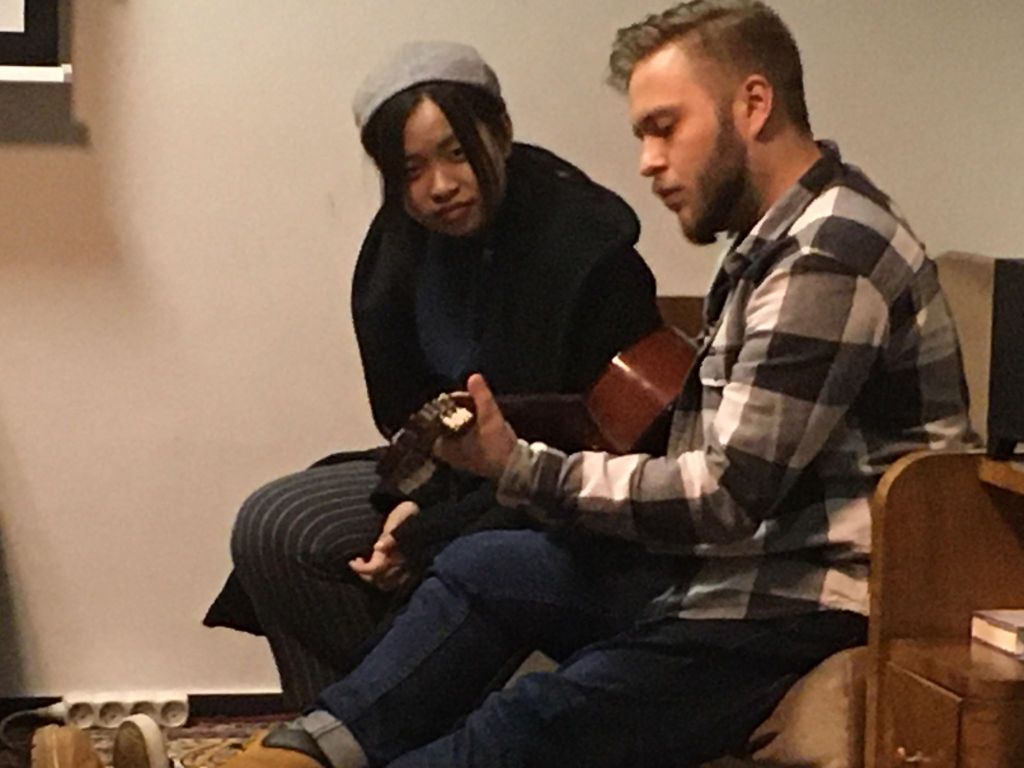
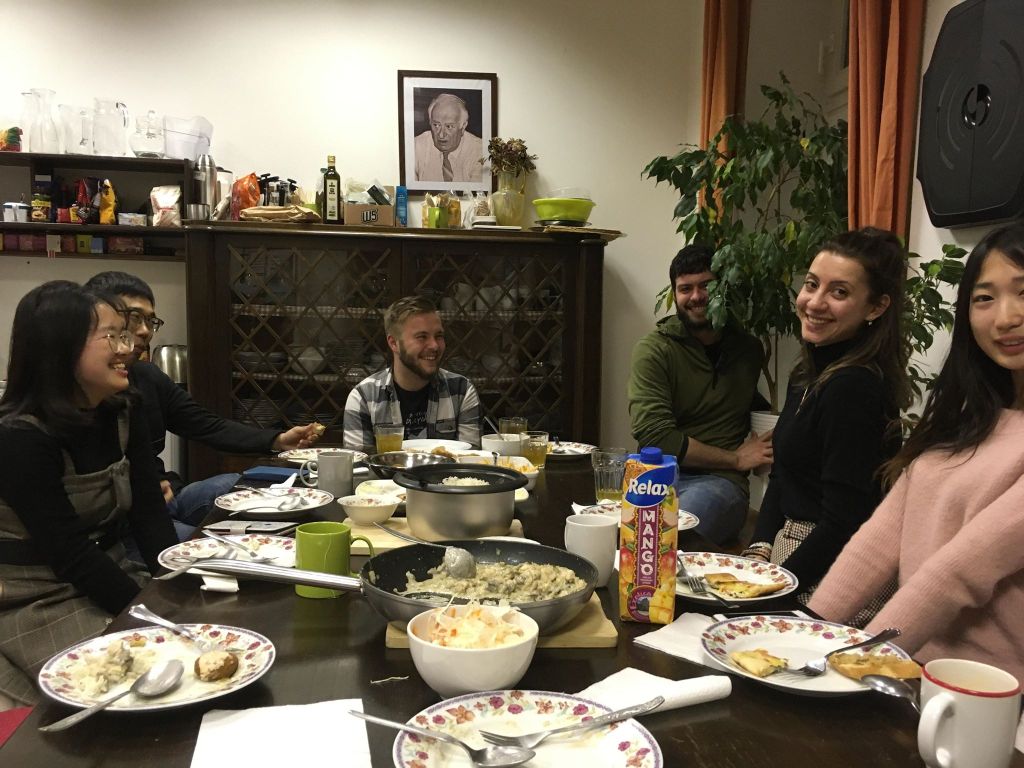
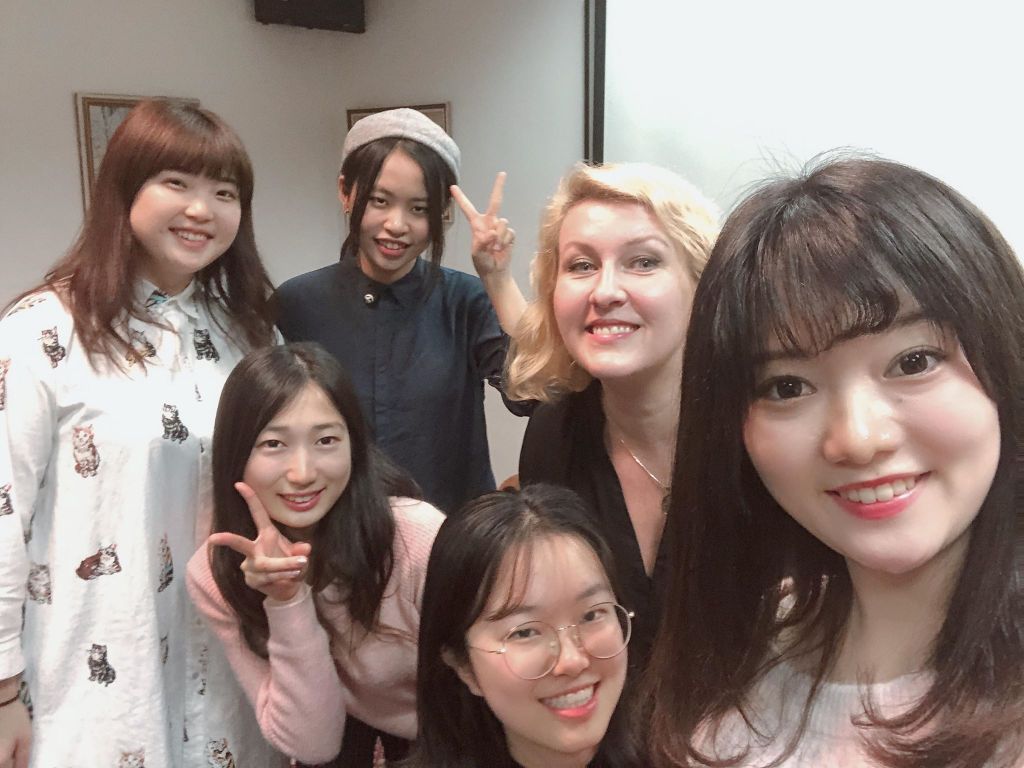
The winter school program is very intense and dynamic, and built on close interaction of students with each other and with the people they encounter. It combines deep learning with first-hand experience in a joyous atmosphere of exploration and sharing together, discussing and having fun, traveling together, cooking together, enjoying diverse cultural perspectives. As a result, students quickly bond and often create friendships that last for many years after, keeping in touch with each other and with BISLA.
 Explore BISLA